
The idea
What third places mean.
First place is home. Second place is work. Third place is everything else, the informal public life where a community actually happens. Sociologist Ray Oldenburg named it in 1989, and America has been quietly losing it ever since.
Neutral ground
Nobody hosts, nobody owes. You can come and go without an invitation.
It levels rank
On the deck or the mat, your job title is irrelevant. Effort is the currency.
Conversation is the point
The sport is the excuse. The talking on the bleachers is the product.
There are regulars
The same faces set the tone and make newcomers feel expected.
Low profile, low cost
Folding chairs, painted cinder block, a whiteboard. Nothing precious.
A home away from home
People call it 'my gym,' 'our pool,' 'the club.' Possessive, every time.
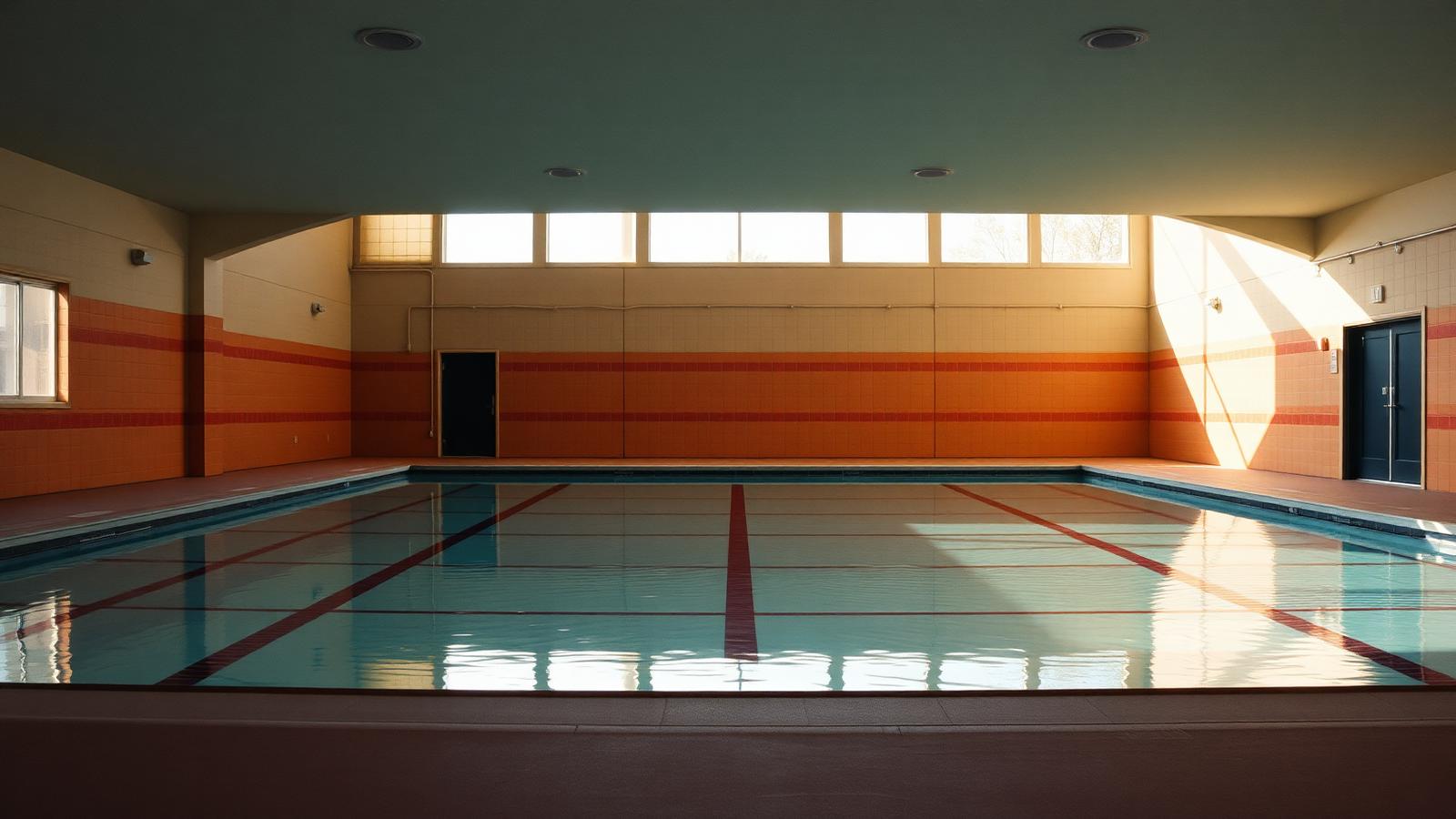
What it means to the people inside it.
For a kid, a third place is the first room where an adult who isn't a parent or a teacher expects something of them. It's where they learn to lose in public, to be on time, to be counted on by twelve other people.
For a parent, it's two hours a week of other adults who know their kid's name. For a coach, it's a job that means something and, usually, a salary that doesn't. For a retiree in the Masters lane at 6am, it's the reason to leave the house.
For the owner, the person who built it from a summer league and years of hard work, it's their life's work, and at some point it becomes a question they can't answer: what happens to this when I stop?
That question is why Third Place Ventures exists.
Why they disappear
Third places rarely fail because people stopped coming.
Succession. The founder ages out with no buyer, no manager, and no documented process. The business is the person.
Lease risk. The pool, the court, or the storefront is rented. A two-year renewal makes the whole enterprise unbankable.
Undercapitalization. A boiler, a roof, a resurfacing, or a bad season ends a business that was otherwise profitable for thirty years.
We buy the third place, fix the three things above, and keep the culture that made it worth saving.
What we do